Books
Free to download, use, and share with proper author attribution
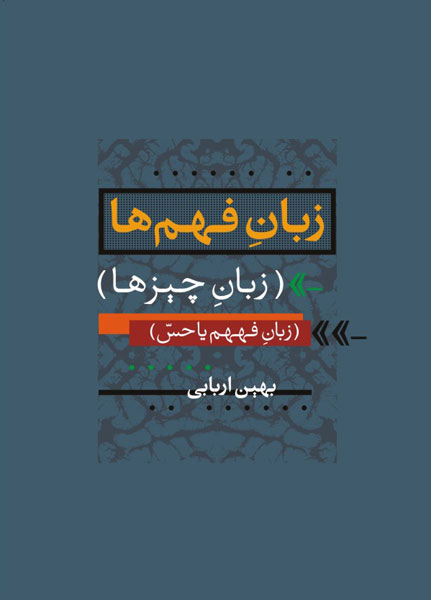
1- The Language of Understandings / The Language of Things (6831)
___
– This book; is simple:
-» Yet it is not easy:
-»» And it will not be read through speed-reading and … ;
____
– This book; is simple:
-» And it is Namotunic (Not + Motun [Not conventional ways of thinking]);
-» : arising from — and expressive of — a “Namotunic Hypothesis”.
____
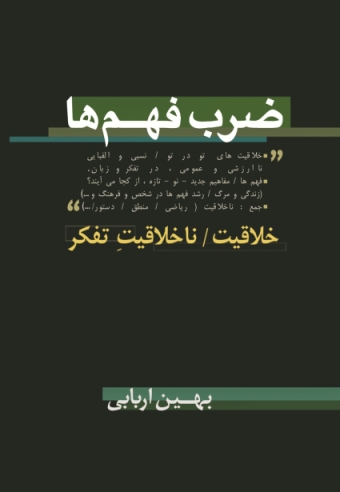
2- The Multiplication of Understandings (2010)
_______
– {Where do understandings come from?}
– This book may be summarized; in this very simple question.
_______
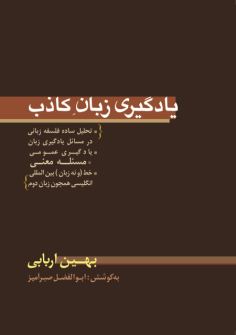
Learning the Pseudo- Language (2010)
The great majority of adults who have learned a second language have never read that language; rather, they read a language which they themselves have built during the process of learning — a particular language that is, more or less, their mother tongue, and not the second language.
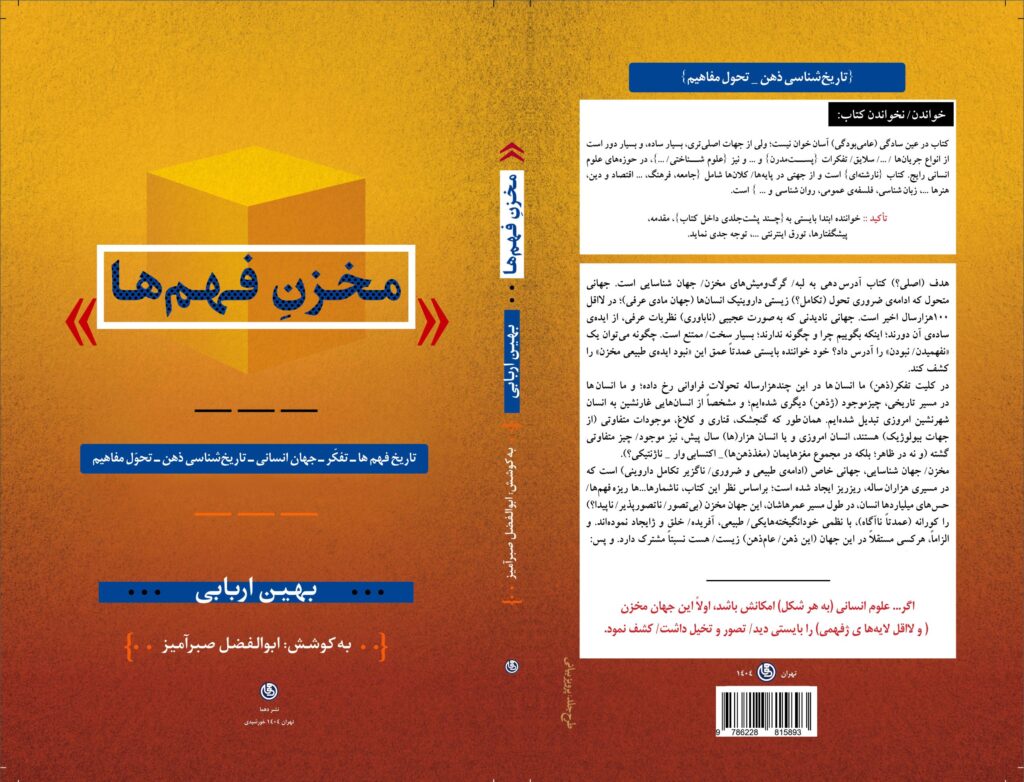
4- The Repository of Understandings (2025)
Makhzan (Repository): a world shared among humans across the entire course of history. […] A particular world — built grain by grain, over a path of thousands or tens of thousands of years. This world; has always been, and remains, in transformation and growth. […] And so, in practice, within the Makhzan of Understandings, {society / culture / religion / … / economics / psychology / …} all exist. And likewise every discussion of the Makhzan of Understandings, (without exception), is a discussion of all questions of {culture / society / religion / psychology / …}.